
This is a subtitle for your new post
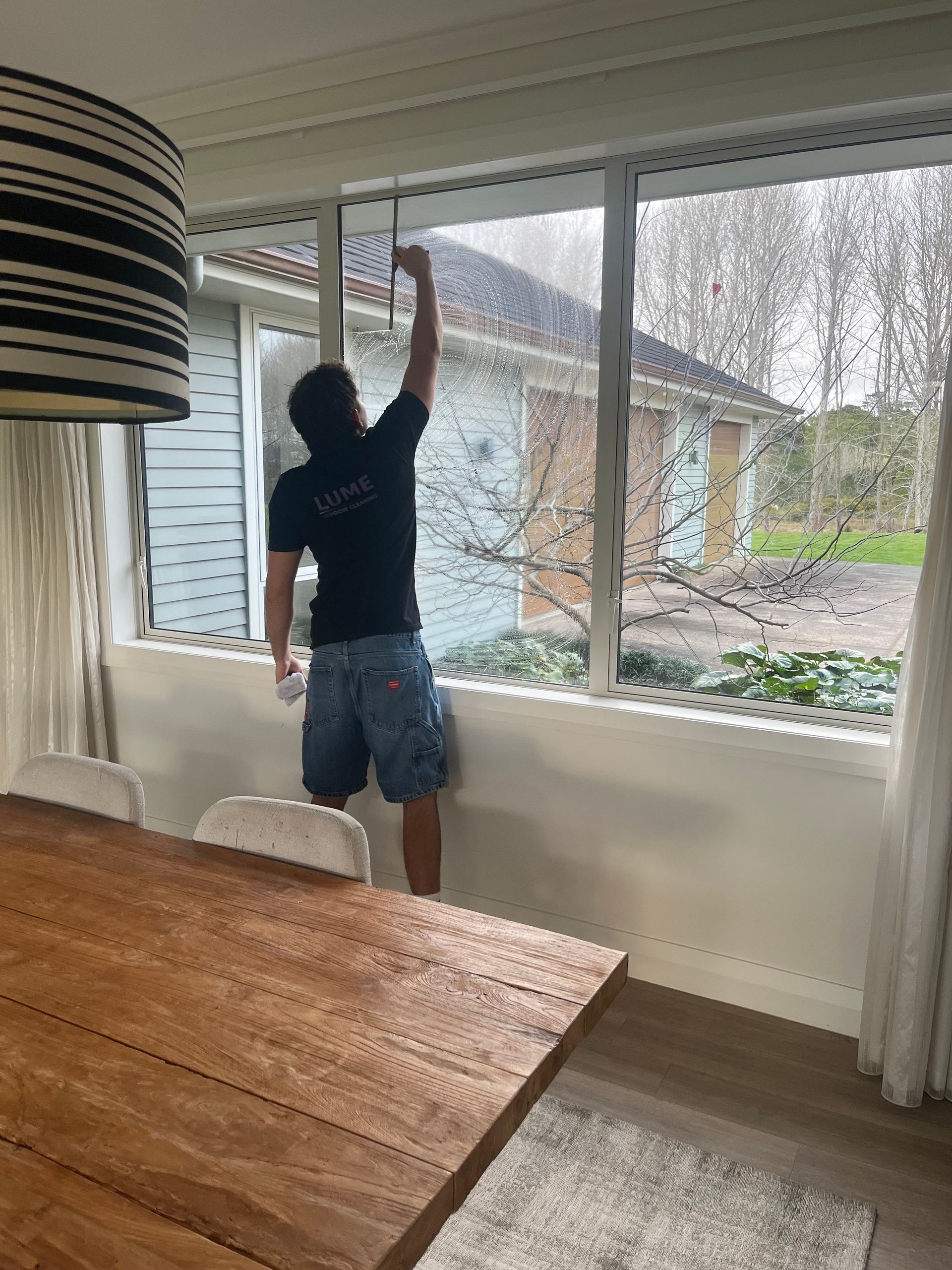
Window cleaning in Albany: What homeowners should expect If you live in Albany and you're thinking about getting your windows professionally cleaned, it helps to know what the process actually looks like before you book. From getting a quote through to the final result. Here's a straightforward rundown of what to expect when you use a local window cleaner in Albany. Getting a quote One of the easiest parts of the process should be getting a price. A good local window cleaner will be able to give you an accurate quote from your street address alone, sizing up your property without needing to come out for an in-person visit first. That means you can get a clear idea of cost and book a time without having to take time off work to be home for a quote appointment. What affects your quote? A few things typically factor into how a quote is worked out: The size of your home and number of windows Whether you want interior, exterior, or both cleaned Ease of access (single storey vs multi-storey, obstacles like gardens or fencing) Booking and scheduling Albany is a fast-growing suburb, and a lot of homeowners are juggling busy schedules which is why same-day or next-day availability matters. A local operator working directly in and around Albany, rather than a large franchise covering all of Auckland, is often able to slot you in faster and be more flexible around your schedule. On the day: What actually happens? For most residential jobs, you don't need to be home. A professional window cleaner will: Clean interior and/or exterior glass depending on what you've booked Wipe down sills and frames as part of the exterior clean Take care around gardens, outdoor furniture, and pets Leave the property as they found it, aside from the windows themselves How long does it take? Most standard Albany homes (a typical single or double-storey house) can be completed within a single visit, usually in under a couple of hours depending on size and window count. Multi-storey homes or properties with tricky access may take a little longer. What a good result looks like After a professional clean, you should expect: Streak-free glass, inside and out (if both were booked) Clean tracks and sills, not just the glass itself No leftover water marks once everything's dried Windows that make the whole house feel brighter and better presented If anything looks off once it's dried, give us a call and we will come back and sort it. Why choose a local Albany operator? Larger cleaning companies often cover the whole of Auckland, which can mean less flexibility and less accountability. Choosing someone based locally in Albany (who's cleaning windows in your neighbourhood regularly) usually means faster response times, more personal service, and someone who has a reputation to maintain with your neighbours, not just a call centre. Click here to get your free instant quote
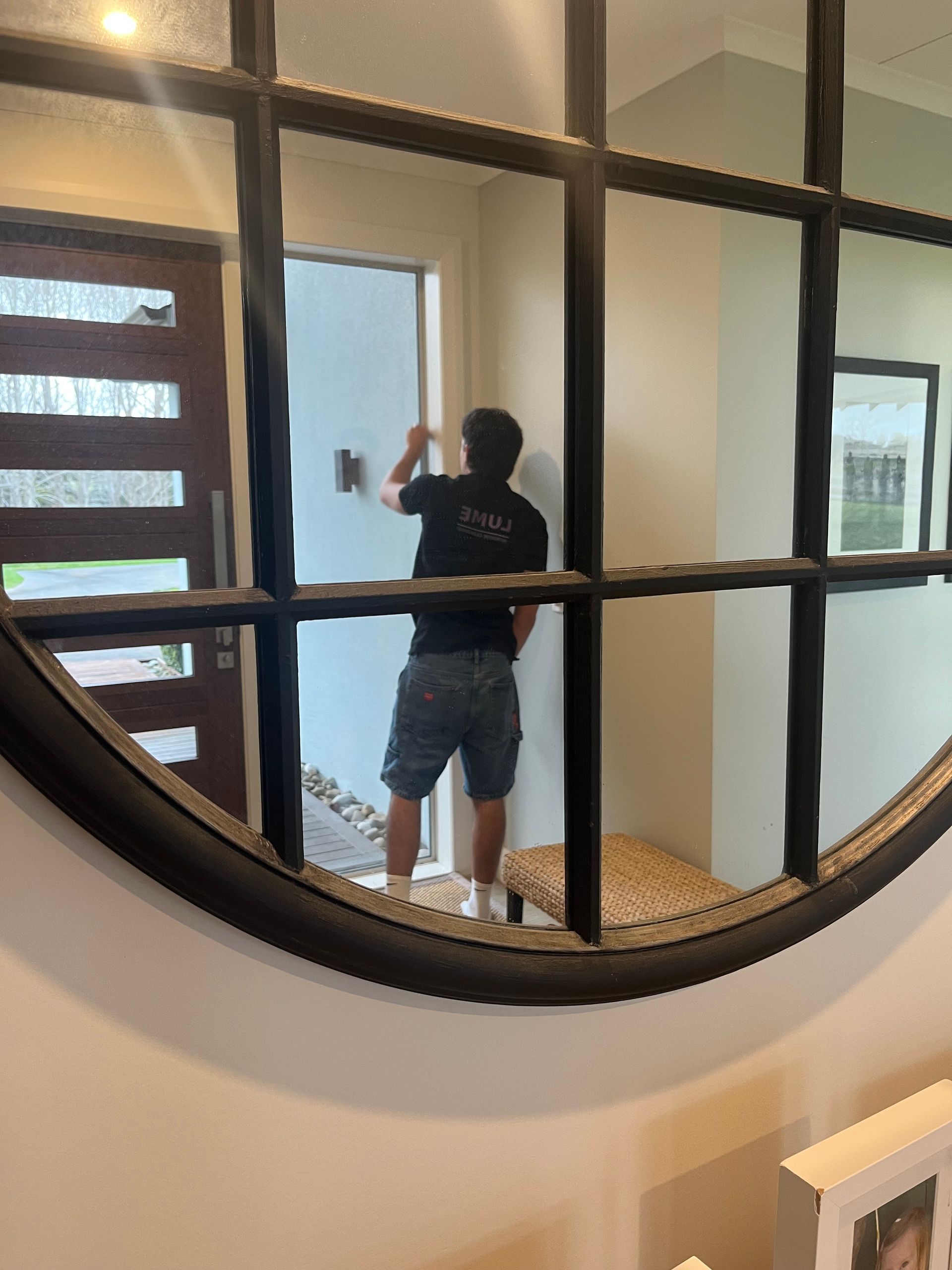
Window cleaning for rental properties: A Guide for Auckland Property Managers If you're managing rental properties across Auckland, window cleaning probably isn't top of your priority list until a tenant complains, an inspection photo looks bad, or a property's sitting on the market longer than it should. Then it suddenly matters a lot. Here's what property managers actually need to know about keeping windows in good shape across a rental portfolio, without it becoming another thing to chase. Why window cleaning is a property management issue, not just a cosmetic one It's easy to file window cleaning under "nice to have." In a rental context, it's closer to basic upkeep. Healthy homes compliance leans on it. Ventilation and moisture standards are easier to meet when windows actually open, seal, and drain properly. Grime, salt build-up, or mold around frames can make that harder to assess and harder to fix. It affects how a property shows. Listing photos, viewings, and routine inspections all read differently through clean glass versus windows with a season or two of buildup on them. It's one of the fastest ways a property looks cared for...or doesn't. It's a common flashpoint at move-in and move-out. Window condition comes up constantly in condition reports. Sorting it properly, on a schedule, avoids the back-and-forth over whether it's a tenant responsibility or a landlord one. Neglected glass ages a property. Hard water marks, salt spray, and mold that's left too long can etch into glass or seals over time, turning a cleaning job into a repair job. None of this needs to be complicated. It just needs to be scheduled, rather than reactive. Who's actually responsible — tenant or landlord? This comes up a lot, and the honest answer is: it depends on what's in the tenancy agreement, but general upkeep and exterior cleaning typically sits with the landlord, while tenants are usually expected to keep interior surfaces reasonably clean during the tenancy. In practice, most property managers find it's simpler and more consistent to handle window cleaning as a managed service across the portfolio, rather than relying on individual tenants to stay on top of it. It takes the ambiguity out of inspections and keeps every property held to the same standard. Building window cleaning into your maintenance schedule The properties that stay in the best shape are usually the ones on a routine, not the ones cleaned only when something prompts it. A few ways property managers typically structure it: Tie it to routine inspections. Scheduling a clean shortly before a routine inspection means the property presents well and any glazing or frame issues get spotted early, while they're still minor. Handle it at turnover. A clean between tenancies (alongside the rest of the move-out prep) helps a property photograph and show well for the next listing, and gives you a clean condition baseline for the new tenant. Set a standing frequency for coastal or exposed properties. Anything near the coast or exposed to weather tends to need attention more often than an inland, sheltered property. What this looks like across a portfolio Managing this property-by-property gets tedious fast, especially once you're juggling more than a handful. What tends to work better: One point of contact, multiple properties. Rather than re-explaining access details and preferences every time, a standing arrangement means the details are already known. Consistent quoting. Getting a straight, comparable quote per property makes it easy to budget across a portfolio instead of getting a different number and different process every time. Flexible scheduling around tenants. Coordinating access with tenants (or scheduling exterior-only cleans that don't require entry at all) keeps this from becoming a hassle for anyone involved. Getting quotes across multiple properties For portfolios, we can quote multiple properties at once using satellite imagery and publicly available property information. This way you're not stuck arranging site visits for every address just to get a number. It's the same process as an individual homeowner quote, just scaled to however many properties you're managing. If it helps, we're also happy to set up a recurring schedule across a portfolio so window cleaning becomes one less thing to organise manually each quarter. Keep it simple Window cleaning doesn't need to be a fire drill before every inspection. Built into a regular schedule, it's a small, predictable line item that keeps properties presenting well, keeps tenants happy, and keeps move-out condition reports a lot less contentious. Click here to get your free instant quote